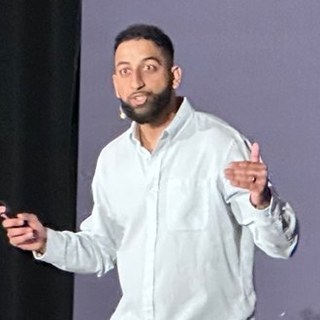
To close a sale without a script, keep the structure and drop the memorized lines. Frame the call, ask real discovery questions in order, play back what you hear, pitch only after they've told you why they want to change, and when an objection comes, take the pressure off and let silence do the work.
I filmed this one in 2024: a full recording of a live call where I closed a $6,000 deal in 60 minutes. When the prospect, Alex, hit me with "I want to think about this," I didn't fire back with a handle. There were about five minutes of quiet where he thought it through and handled the objection himself. That only happens when the discovery was real.
I broke this down on camera too: watch the video.
What does closing without a script actually mean?
A lot of newer closers hear "scriptless" and think it means winging it. It doesn't. Here's how I'd compare the two.
| Reading a script | Scriptless | |
|---|---|---|
| Structure | Fixed lines in a fixed order | Same stages, your own words |
| Discovery | Asks the question, moves to the next one | Asks, listens, digs into the answer |
| Prospect feels | Processed | Understood |
| Objections | Memorized rebuttal | Pressure off, find the real reason |
| Who does the selling | You | Mostly them |
Scriptless means you know the structure so well you stop thinking about it. Then all your attention goes to the person. If you're still learning the stages, read my breakdown of the high ticket sales call structure first, because this call runs the same bones.
How do you open a call without a script?
Same as always: a minute of being a normal person. Alex had a funny screen name, and I asked about it. His buddy made it up back when they played college football, because he was a slot receiver and he was "money in the slot." Easy laugh.
Then the frame: "The way this call works, I'll ask you a few questions, I'm sure you'll ask me a few, and we figure out if this makes sense for you. If it does, I'll offer you a spot in the mentorship. If it's not, that's okay too. Sound good?"
He hadn't watched the video he signed up for. A lot of closers get annoyed by that. I just told him I'd cover what he missed on the call. Meet the prospect where he is, and keep moving.
What discovery questions do you ask on a scriptless call?
This is the whole game. Here's the order I ran with Alex, and the answers he gave me:
- "What made you want to book?" He'd been a tech consultant for 14 years, working from home, and the work felt mundane. He was on meetings where nobody asked him anything, he just had to be there.
- "What's the main goal?" Start making money on the side online and see that it works, then scale it.
- "How long has this been a goal?" Since 2020, about four years.
- "How come you haven't started?" "Comfortability. The golden handcuffs."
- "What's making you want to change now?" The next day he'd be in back-to-back meetings from 8am to 1pm, every Tuesday, with no growth for him personally.
- "If you made three to five grand a month, how does that change your day to day?" It would prove to him it works, and it would help with regular family life and prices going up.
- "Six months from now, nothing's changed. How does that feel?" "It won't feel great."
- "Who's in control of this decision?" "Me."
I almost never stopped at his first answer. When he said "growth," I told him that when people say that, it tells me they feel like they have potential that's untapped. He agreed and opened up about reading books but not taking action. The best stuff comes from the follow-up, never the first answer.
How do you find the real reason someone wants to buy?
Money is almost never the real reason. I said it on the call: a lot of people's main focus is money, but that's not what they actually want.
With Alex it was his kids. He and his wife homeschool their six-year-old and four-year-old, and he wanted them to see options other than working for somebody. So I asked him straight: "Do you feel like you have to be the example for them first?" He said yes, being a family leader, a role model for his kids.
I shared something real back. At the time I had a seven-month-old son, and before that I felt like a kid myself. Then you have a kid and you realize you're fully responsible for this person, and if all you do is talk about things and never do them, your kids learn that too. It was two dads talking, and a prospect can feel that.
Every day that you don't focus on your own thing, you're building someone else's.
When do you pitch on a scriptless call?
Only after they've told you what they want, why now, and what it costs them to wait. Before I showed Alex anything, I played the whole thing back: big vision for his family, a goal for himself, a time in his life where he wants more control, kids growing up, a job somewhere between comfort and annoyance.
Then I walked him through the three tiers and asked, "Which one makes the most sense for you based on what you need?" The top tier was $15K, the middle $9K, the entry tier $6K. He said the entry tier. Then I asked which payment option made sense, and he picked a three-pay: $2K today, $2K next month, $2K the month after. Let them choose the tier and the payment, because a choice they made is one they'll defend.
How do you handle "I want to think about it" without a script?
I asked what card he'd be using, and then about five minutes went by. Then he said, "I think I need to think about this for a second. I wasn't prepared to make the decision right now. I have to move some money around first."
Here's what I said, almost word for word: "Don't feel the need to say yes. Only say yes if what you told me is something you actually want to start building now."
That's the opposite of pressure. He said he was tired of doing what he was doing and he was trying to see how he could make it work. Now the objection is his problem to solve, and he's solving it out loud.
Then I found the real reason. I asked what was mainly holding him back. Some debt he was already in. So instead of repeating the pitch, I solved that. I offered to break down the financing option: $1,500 down for the entry tier, then $400 a month for 11 months with no interest, which beats a credit card. He asked who it was through, I told him, and I sent the link in the chat.
Why scriptless closing works
A script protects a closer who doesn't know what to say. Once you know the structure cold, the script starts getting in the way, because you're listening for your next line instead of listening to the person.
The best closers I've worked with run the same stages every call and sound different every call. They also watch their own game tape to find the spot where they talked when they should have asked. And if you're doing all this and still not closing, check whether it's you or your offer.