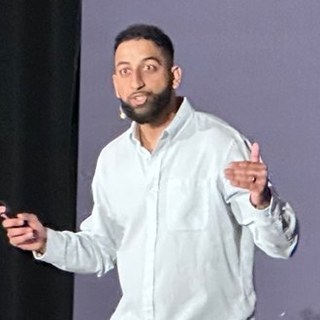
Your first year in high ticket sales is usually commission only, on calls the company books for you, and the income swings a lot. Mine was $114K at 22, with one year of regular sales experience behind me. My first months were bad, my good months made me lazy, and the habits I kept decided the year.
I made that video about five years into remote high ticket sales, and I'd tell you the same things today. You can watch the video if you want to hear me tell it on camera. After that first year I did around $150K, then $200K+, and later up to around $500K a year. None of that happened because I was talented in year one. It happened because I figured out what kept knocking me down.
How do you get your first high ticket sales job?
You don't need a certification, a degree or a piece of paper. Technically you can start brand new. But most companies hiring closers now want some sales experience, so if you have zero, go get a regular sales job first.
When you're ready, you can apply online or reach out to people on Instagram who already close. The best way in is still an introduction from someone who's selling in the space, because a closer vouching for you carries more weight than a cold application. I wrote out what to vet before you say yes in the remote closer jobs red flags post.
How do high ticket closers get paid in year one?
You're a contractor, not an employee. No salary. It's 100% commission, and it works a lot like being a real estate agent: you get paid when deals close and the cash comes in.
Commissions in the market are often around 10% of what you collect, sometimes lower and sometimes higher. Here's the math with that rate (illustrative):
| Goal | What you need to collect | On a $5,000 offer |
|---|---|---|
| $10,000 in a month | $100,000 cash collected | 20 sales paid in full |
| $100,000 in a year | about $85,000 collected a month | about 17 paid-in-full sales a month |
Run that math before you take any offer. If the price point is low or the calendar is thin, the number you want isn't possible no matter how good you get. For the bigger picture on pay, see what high ticket closers really make.
When I made $114K that first year, it meant I'd brought in roughly $1.14M for the company. I was a young kid who stumbled into this, and seeing what was possible with a phone and the ability to talk to people changed my life.
What does a closer's day actually look like?
You're remote, so you can work from home, a park or a beach. Nobody's standing over you. You control your schedule and your performance.
Most companies give you the leads. They run the ads and post the content, and the marketing pushes people onto your calendar. Bookings can be anywhere from 30 minutes to an hour, and I've seen two-hour calls. Your job is to make sure the lead shows up and then to sell them.
Where you work does affect how you perform, though. Pick the spot where you actually get results.
The part nobody shows you is the messaging. When a booking notification pops up, a good closer responds as fast as they can. When I was a full-time rep, I was texting leads from morning until midnight. Leads came in nonstop, and I wanted every person on my calendar ready for the call. If they're not ready, you can't sell them, and you don't get paid.
So yes, it's flexible. You can go to the gym or book an appointment in the middle of the day. But when you do work, it takes up a lot of your time.
Why are the first few months so hard?
Even with a year of sales behind me, I was really bad at first. I didn't understand high ticket. So I paid for a mentor, someone who would show me exactly what I was doing wrong and what I should do instead.
That's when I learned what sales really is. It's a transfer of energy, and you can only give what you have. The better a person you become, the better you can help the person on the other end of the call.
I was also the only rep on that team when I joined, so I couldn't learn from anyone next to me. If you join a team where other reps are already doing better than you, replicate what's working. Listen to their calls, copy their process, and you'll learn way faster than I did.
What is the complacency cycle?
This is the part I wish someone had warned me about. Before high ticket I was making $3K to $4K a month. In my first year I averaged around $10K a month, almost triple. And every time I hit a good stretch, the same thing happened:
- I'd make good money and start relaxing. Traveling, going out, having fun.
- I'd stop the habits that got me there. No reading, no learning, no working on myself.
- A few weeks later my numbers would dip.
- I'd start asking myself if I was bad at this or doing something wrong.
- It took me a few weeks to climb out, because I had to rebuild the habits before I showed up to calls sharp again.
Then a couple months later I'd do it all over again. My performance and my income both rode that wave all year.
Whenever I stopped focusing on the thing that got me to that point, I would see a dip.
The fix is boring. Keep the same routine in your best month that you had in your worst one. Study calls, keep learning, and treat a big month like a reason to tighten up.
Why does the leader you work for matter so much?
You figure out fast whether the people running the company are people you'd want to follow. If you want a long future in this industry, pick your leaders on purpose. Make sure you share their values and you'd want to learn from them for years.
If your leader doesn't support you when you're struggling, doesn't coach you and shows you the door after one bad month, you'll have to figure a lot out on your own. You can do it, but it's slow. Great leaders will take you all the way if you show up for yourself and for them.
After my first year, the team grew fast because the leadership was good. That offer got to $1.5M to $2.2M a month, and I got to watch all of it, learn from it, grow into new positions and make a lot more money.
Who is year one not for?
If you want easy money, don't take this job. Nobody holds you accountable. You make your own schedule, you eat what you kill, and if you're not willing to put in the effort, this industry will chew you up and spit you out. I've watched it happen to people over and over. They want to clock in at 9, clock out at 5 and stop thinking.
But if you commit, you build a skill that pays you in any area of your life. You build your finances, and money plus flexibility gives you the power to take bigger risks later. That's how this job turned into everything else I've done.
Treat year one like a training year that pays
Go in expecting the first months to hurt. Get a mentor, copy the best rep on your team, pick a leader you'd follow, and protect your habits when the money gets good. If you do that, year one is the floor you build the rest of your income on.