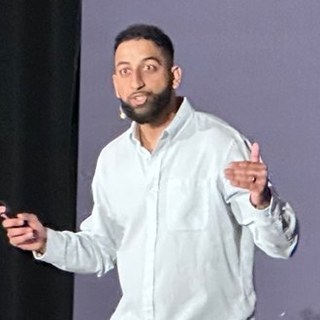
To close your first high ticket sale, make calls every single day until it happens, dig into why the person actually wants to change instead of convincing them, and then invest in real training the moment you get that first win. My first one took three weeks of daily calls and a three-hour conversation, and it came in at $200 a month.
This is the story of my first high ticket close, and what I'd tell you if you're still waiting on yours. It was 2018. I was 22. Nobody had really heard of high ticket sales, and almost nobody bought courses online. I thought I was a great cold caller and sales rep. I wasn't ready for what this kind of sale asked of me.
I broke this down on camera too: watch the video.
What was my first high ticket sale like?
Before high ticket I'd sold internet packages at $50 and $100. Then I sold $2,000 monthly packages to business owners. So I had real sales experience. What I didn't have was emotional IQ. I didn't understand why people wanted to do what they wanted to do.
You can tell by the stories I told on calls. One of my lines was basically, "You should do this because I did it, and I was able to buy myself a queen-size mattress." That was a real story I used to convince people to join a high-ticket coaching program. Crazy.
When I made the shift, it took me three weeks of making sales calls every single day to close my first high ticket sale. The call was with a woman, and it ran three hours. I dug so deep into her emotions that she was crying on the phone. I was all in, focused on helping her make this breakthrough and this shift in her mindset.
I finally closed it. I was supposed to be selling a $5,000 program, and I sold it at $200 a month. Three hours of my time for that. And I was hyped. I was so happy I'd closed my first high ticket sale.
What happens after your first high ticket close?
For me, nothing good for a while. Over the next three months I made sales here and there, but I was bad. I should have gotten fired. I didn't, because it was my brother's company. Those three months, I made less than the $50K job I'd left.
That's the part nobody posts about. Your first close feels like you've arrived, and then the next few months show you how much you don't know. If you're in that stretch right now, it's normal, and it's early.
Here's how I'd compare where most new closers are to where they need to get:
| Where I was | What closes high ticket | |
|---|---|---|
| Why people buy | Didn't understand it | Knows their pain, goal and fear |
| Main tool | My own story, convincing | Questions, then belief |
| Call length | Three hours to get one yes | As long as discovery needs, then a clean pitch |
| Deal size | $5,000 program sold at $200 a month | The price the program is worth |
| Learning | Figuring it out alone | Coached by people who've done it |
What changed after I invested in sales coaching?
I reinvested in myself. I bought coaching and got real training from experts who had done it before. That was the biggest shift, because now I understood how to sell to someone who's looking to buy a high-ticket coaching program.
From there I kept reinvesting, in my education and in myself as a person. I made $114K my first year in high-ticket at 22, and it climbed from there. If you want to see what the income curve looks like for closers now, I broke it down in high ticket closer salary.
One thing to watch: a lot of people sell "become a closer" programs that promise to place you in a job. Make sure whoever you learn from has actually closed at the level you want. I wrote about how to tell the difference in is high ticket sales a scam.
Why does belief matter so much in high ticket sales?
Sales is an energy game. You can only sell at the level you're at.
Say you're a fitness coach selling a six-pack program, and you don't have a six-pack yourself. You can try with all your might to have confidence and belief that it's possible for that person. But if you didn't do the gym work and follow the diet yourself, how can you transfer that level of belief to them?
You cannot give what you do not have.
That's what sales comes down to: a transfer of belief, confidence, knowledge and trust. If you don't have it yourself, you'll never close at the highest levels. You might make some sales because someone wants it bad enough or the product is really good. But the conviction top salespeople have comes from living it.
When you've gone through the transformation yourself, you know who you were before and who you became after. Then you get on a call with someone who wants that same breakthrough. That's when you convert. You understand how hard their decision is because you remember how hard yours was.
How do you close your first high ticket sale?
Here's what I'd do if I were starting over today.
- Make calls every day. My first close took three weeks. If you're at day ten with nothing, that's normal.
- Frame every call so a yes or a no are the only outcomes. You'll waste fewer hours on people who were never going to decide.
- Ask before you tell. Find out what they want, why now, what they've tried and what happens if nothing changes. Stop telling queen-size mattress stories.
- Go deep on emotion, but keep it pointed at the decision. My three-hour call for $200 a month shows you can dig deep and still sell the program short.
- Pitch the program at its real price. Don't discount it in your head before they've even heard it.
- After your first win, get coached by someone who has done it, and record your calls so you can watch your own game tape.
- Go get your own version of the result you sell. It's where the conviction comes from.
If you want the full shape of a call once you've got a few under your belt, read how I approach the art of winning in high ticket sales.
The first close is the start
My first high ticket sale was a three-hour call that paid $200 a month, followed by three months where I made less than my old job. What I did after that first close is what made me: reinvesting in coaching, learning why people buy, and living the kind of change I was selling. Keep dialing until the first one comes, then get to work on the skill.